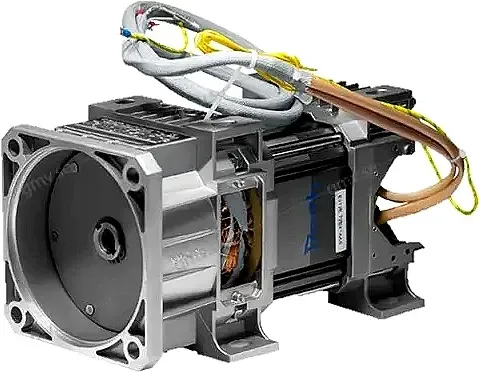
ELMO Submersible Motors for Hydraulic Elevators
High-Performance In-Oil Drive Motors for Hydraulic Elevator Power Units
Whitesmith Solutions supplies genuine ELMO submersible electric motors, engineered specifically for hydraulic elevator and lift power unit applications. Designed for continuous operation fully immersed in hydraulic oil, ELMO motors provide efficient cooling, low-noise performance, and reliable drive power for screw pumps in hydraulic elevator systems.
Manufactured in Italy with over 50 years of engineering expertise, ELMO hydraulic submersible motors are trusted worldwide for their durability, compact footprint, and long service life in demanding elevator environments.
Key Features & Technical Advantages
Submerged In-Oil Cooling Design
ELMO motors operate fully immersed in hydraulic oil, providing superior thermal management, reduced operating temperatures, and exceptionally quiet performance. This design eliminates the need for external cooling systems while maximising space efficiency inside hydraulic power units.
High Overload Capacity
Engineered to tolerate up to 145% of rated load for short periods, ELMO submersible motors deliver dependable performance during peak demand and lift start-up cycles. Advanced insulation systems and oil-assisted cooling enhance operational reliability under stress.
Compact, Balanced & Pump-Ready
These Italian-manufactured three-phase motors are designed for seamless integration with screw pumps, featuring precise flange alignment to minimise vibration, reduce wear, and improve overall system longevity.
Built for Elevator Standards
Constructed with corrosion-resistant materials and integrated PTC thermal protection sensors, ELMO motors meet the installation and safety requirements of EN 81-2 for hydraulic elevators, simplifying commissioning and ongoing maintenance.
Optimised for Energy Efficiency
ELMO submersible lift motors are fully compatible with VVVF drives and soft-start systems, helping reduce inrush current, improve ride comfort, and lower overall energy consumption by up to 20–30% in modern hydraulic lift installations.